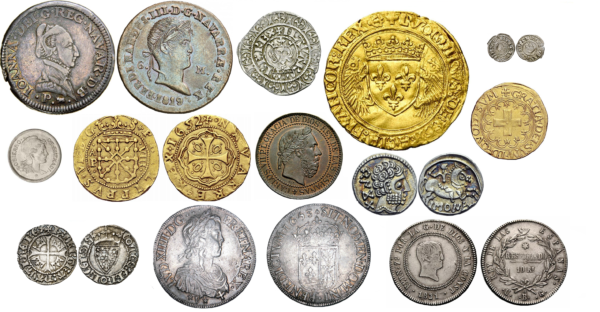
The Carlinas of Navarre by Sancho Iturbide

Azken aldian ez dut sarrera berririk argitaratu, alper xamar nabil edo alper baino gehiago arazo eta buruhauste ugariren inguruan, lanpean dudan materia ugaria bideratzea kostatu zait. Egia esan, Viana-ko Printzearen txanponketen inguruan ibili naiz ikerketan, baina hortan nenbilela beste pasadizo batek bideratu du nire lana. Don Johan por la gra de Dios Rey de Navarra […]

The Carlinas of Navarre by Sancho Iturbide Read More »
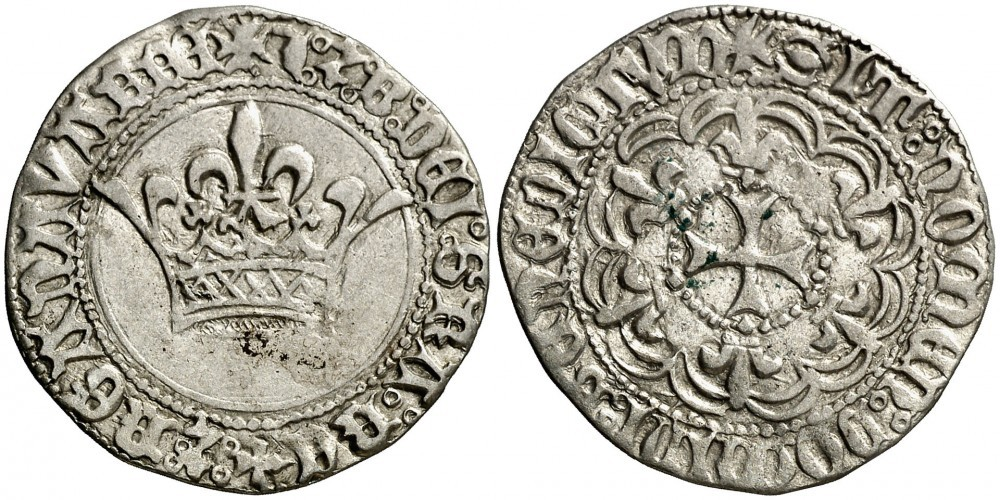
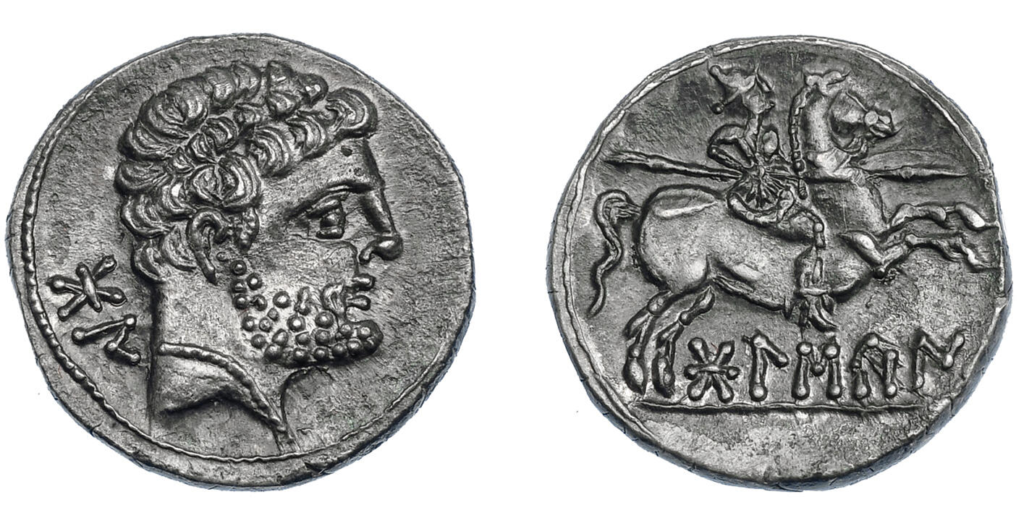
Searching for the First Traces of Basque…In Coins

The territories of Aquitaine, located south of the Garonne River, and the territories located north of the middle Ebro River and in the surrounding area, present many common features in the centuries before and after the arrival of the Romans. Before this entry we talked about the coinage of the Aquitanians, an excellent starting point for today's first entry. Among these common features mentioned is that of being the place where the first traces of the Basque language were found.

Searching for the First Traces of Basque…In Coins Read More »

Peruvian Silver Scam in Navarre

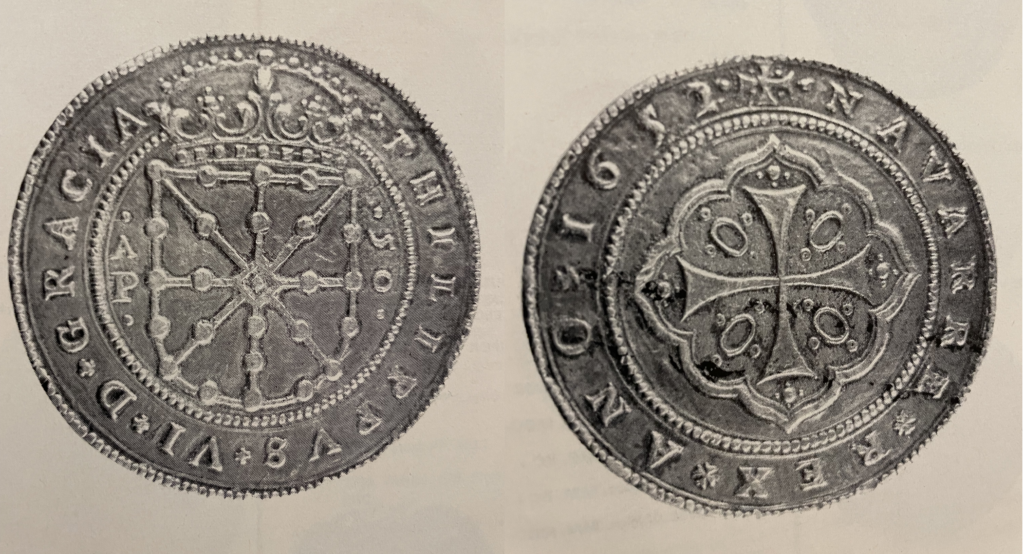
At the end of the 1640s, a great scandal spread throughout the Spanish kingdoms and, to a large extent, throughout all European territories. The coins of 8 and 4 reales brought annually from the territories of Peru by the ships of the Indies did not comply with the required silver weight and laws. The reales had a legal value of about 931 thousandths of silver at that time (11 dinars and 4 grains) and, according to the legislation, the real

Peruvian Silver Scam in Navarre Read More »

Ancient Aquitanian Coinage

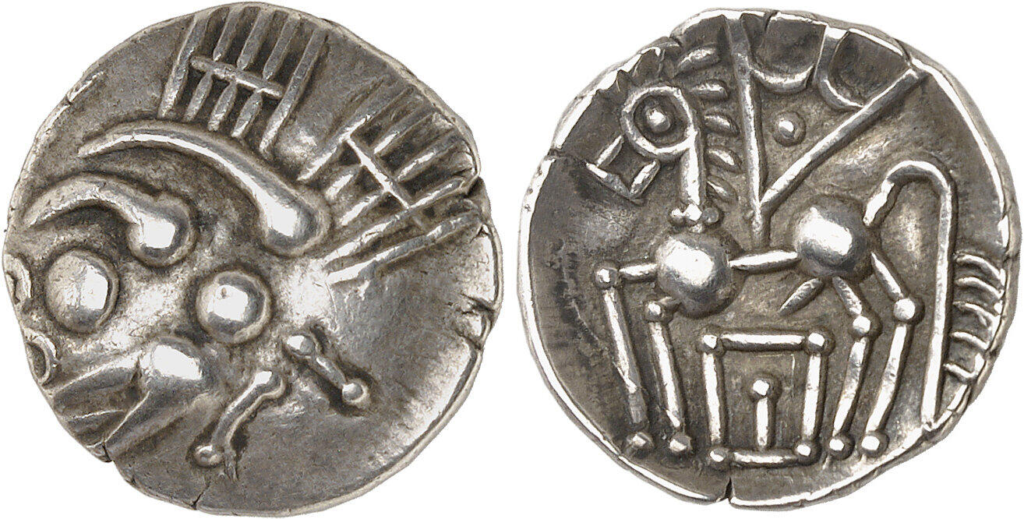
I have been thinking about writing a couple of blog posts about pre-Christian coinage for a long time, and I have been putting it off for a long time. We are certainly facing the most complex and difficult topic to write about Basque coinage. On this topic, and about the ethnic groups and inhabitants of the territories that minted these coins, there are more doubts than certainties. And the origin and

Ancient Aquitanian Coinage Read More »

The Last Nine Issues of Donapaleu

Last week, we watched the Argentine film “Nueve Reinas” at home with our children. In this film, they tell the story of nine extraordinary stamps from the Weimar Republic. I was wondering, does Basque coinage have its own nine queens? Yes, sir, but in this case, we should call them nine kings! The name of the Dutch sculptor and engraver Jean Warin is famous and honored.

The Last Nine Issues of Donapaleu Read More »

Basque Government Pezeta Issues – Presses, Steamers and Commissions

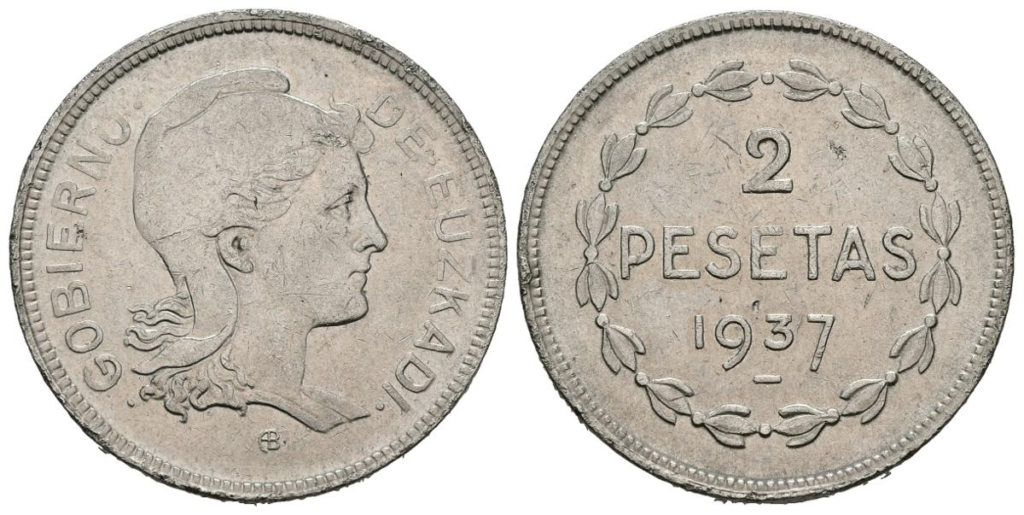
I have had a break of a couple of months before writing a new entry for this blog. During this break we have moved house. We have been working on building a little house for a long time, intending to move closer to the Munitx area, and finally the time has come to live in it. For those who have the image of us in the Basque Country being clumsy and messy and Germany being a country of efficiency, I would be happy to share my anecdotes…but that

Basque Government Pezeta Issues – Presses, Steamers and Commissions Read More »

The Reflection of the Navarrese Problem in Coinage – Part 2

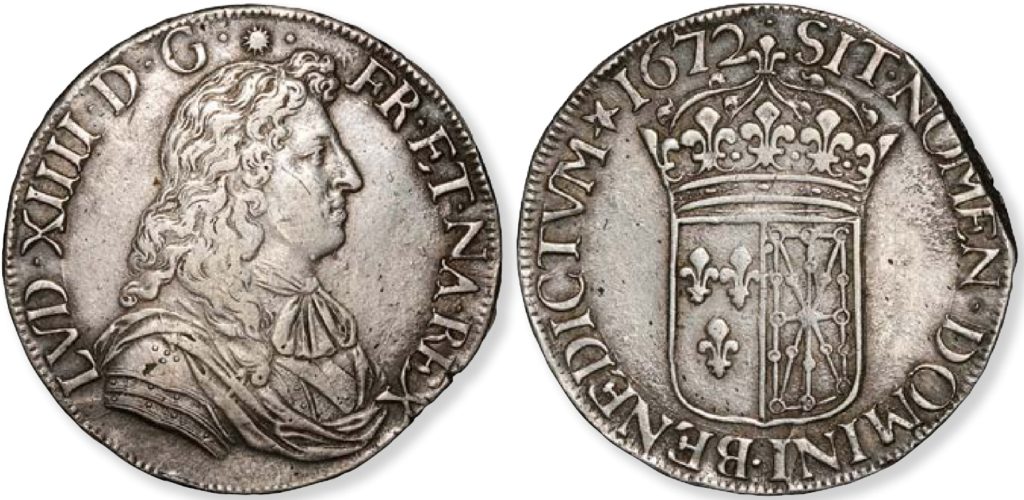
In the first section, we examined the division of the kingdom caused by the invasion and conquest of Ferdinand the Forger and how both in the North, the Labrit family and their Bourbon descendants, and in the South, the Trastamara family and their Austrian descendants, attempted to reinforce the message of legitimacy of power through the coins they minted. The Peace Treaty of the Pyrenees (1659) had another unexpected consequence, the daughter of Louis XIV and Philip IV

The Reflection of the Navarrese Problem in Coinage – Part 2 Read More »

The Reflection of the Navarrese Problem in Coinage – Part 1

It should already be known that the King of Aragon, called Ferdinand the Catholic, attacked and conquered the Kingdom of Navarre in July 1512. The attack was carried out with troops from the Kingdom of Castile, although we should call Ferdinand the usurper, since he was also the viceroy of his daughter Queen Juana in the Kingdom of Castile. Initially, Ferdinand forged a papal bull to justify his attack.

The Reflection of the Navarrese Problem in Coinage – Part 1 Read More »

Louis II – The Last Sovereign Quarter Shields

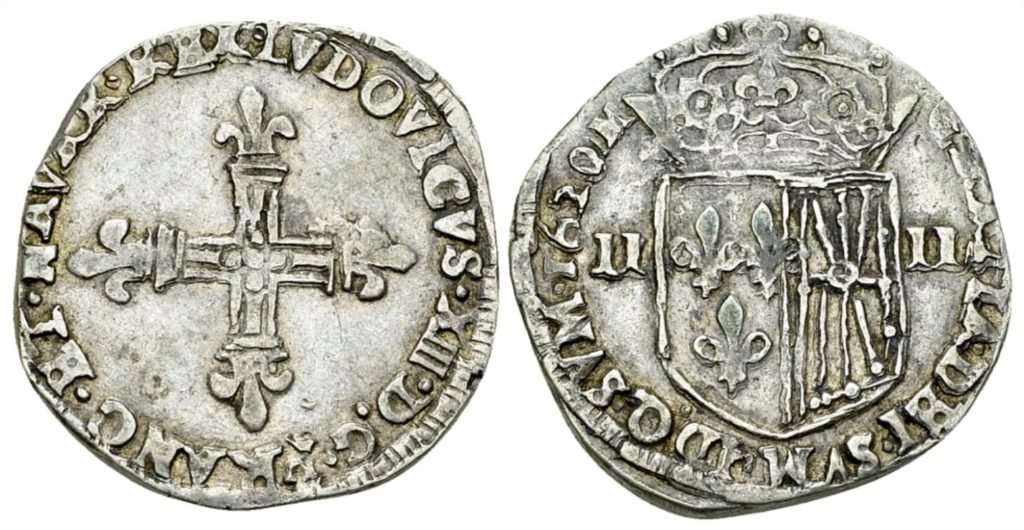
Reign: Louis II. King of Navarre, Louis XIII. King of France Type: Silver Quarter Shield Year: 1620 Mint: Donapaleu Mint Edge: Irregular Edge Engraving: ————– Metal: Silver, fineness of 917 thousandths or 11 ducats Diameter: 29 mm Weight: This piece weighs 9.43 gr Quantity: Unknown In 1620, 50,707 pieces were minted in 1619. Mintage: By hammer Mintmaster: Jean Pierre

Louis II – The Last Sovereign Quarter Shields Read More »

The only maravedi of Charles VII – The Last Hammer Dance

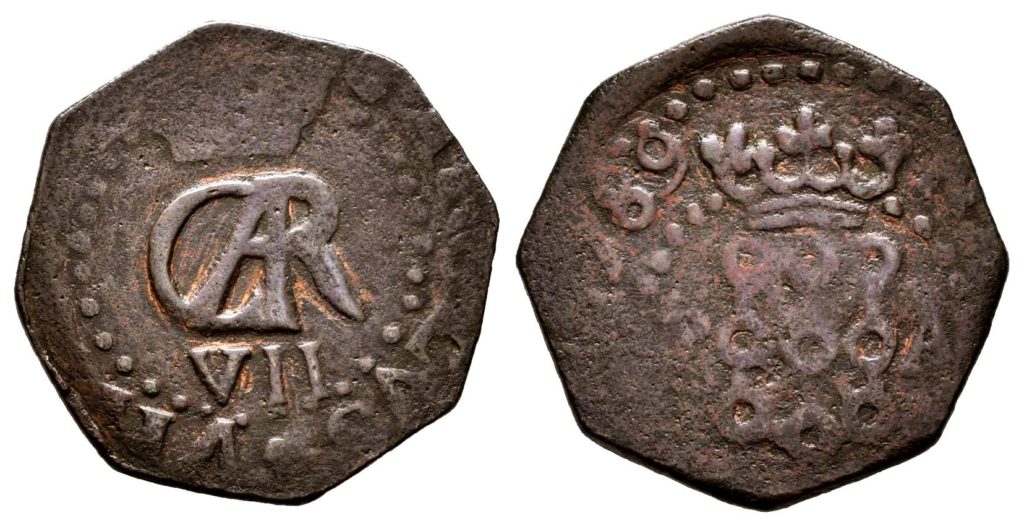
Reign: Charles VII. King of Navarre, Charles IV. King of Spain Type: Marabedia Year: 1789 Mint: Pamplona Mint Edge: Irregular, octagonal coin budin or cospel Edge Engraving: ————– Metal: copper Diameter: 19 mm Weight: This piece weighs 2.71 gr, nominally about 3.04 gr Quantity: Unknown, the courts of 1781 ordered the minting of 12,000 ducats, 4,704,000 marabedia pieces Mintage: By hammer Head of the Mint:

The only maravedi of Charles VII – The Last Hammer Dance Read More »